

Most vacations are built around speed. You land, visit the sights, take photos, eat, sleep, and move on to the next place.
The Everest region works differently.
Here, rushing can take away from the experience. The mountains are too large, the villages too interesting, and the altitude too serious to treat the journey like a checklist.
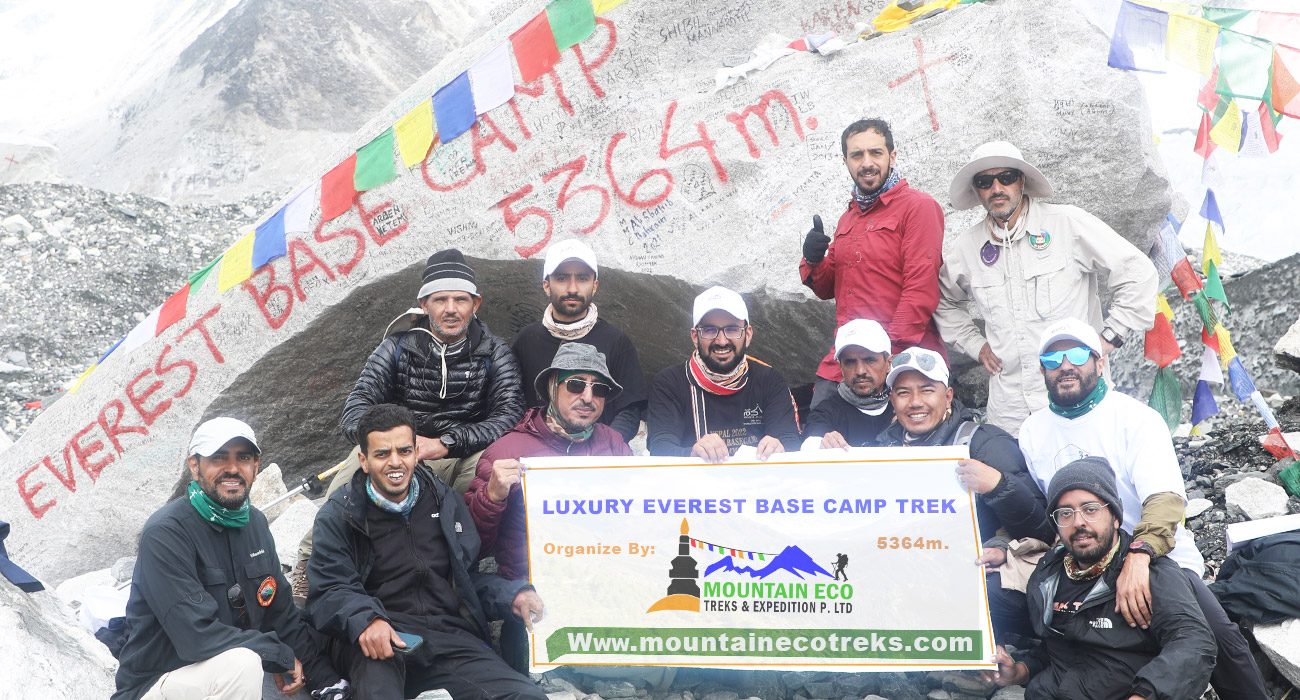
The Everest Base Camp Luxury Trek offers a more relaxed way to explore this famous Himalayan route. It keeps the adventure intact while giving travelers more attention to comfort, planning, rest, and personal time.
Start With a Slower Mindset
The biggest adjustment may not be physical.
It may be learning to stop rushing.
You do not need to reach every viewpoint first. You do not need to walk faster than everyone else. You do not need to fill every evening with activities.
Let the Trail Set the Pace
Mountain walking rewards patience.
Take steady steps instead of trying to cover ground quickly. Stop when you need water. Take photographs when something catches your eye.
A slow morning in the mountains can be more enjoyable than a rushed schedule packed with destinations.
Your First View of Everest May Surprise You
Many people imagine that Mount Everest will be visible from the moment they enter the region.
That is not how the journey works.
The mountain reveals itself gradually.
Mountains Appear Between Everyday Moments
You may first notice a snow-covered peak while walking through a village.
Later, another mountain appears behind a ridge.
Then the views become wider and more dramatic as you climb higher.
This gradual reveal is part of the excitement. The landscape keeps giving you something new instead of showing everything at once.
Take Time to Understand Mountain Villages
The villages along the Everest route are an important part of the experience.
They are not simply places where trekkers eat and sleep.
People live and work there throughout the year.
Notice How People Live at High Altitude
Look at the buildings, paths, farms, shops, and religious sites.
You may see locals moving goods between settlements or working around their homes.
Life at high altitude requires planning and hard work. Seeing that firsthand gives you a different appreciation for the region.
Why Better Accommodation Can Change Your Day
A long walking day does not end when you reach the village.
You still need to recover.
This is one of the practical reasons travelers choose a luxury trekking package.
Give Your Body a Proper Break
Your legs may be tired after hours on uneven ground.
A comfortable room gives you a place to relax without having to worry about basic needs.
Depending on the location and package, upgraded accommodation may provide better rooms and facilities than basic trekking options.
The difference becomes more noticeable after several consecutive days on the trail.
Make Meals Part of the Experience
Food is not just about staying full during a trek.
Meals can also become a chance to slow down.
Sit with your travel companions. Talk to your guide. Ask about the day’s route or tomorrow’s conditions.
Choose Food That Helps You Walk
Your body needs energy at altitude.
Simple meals are often the best choice.
Rice, potatoes, pasta, eggs, vegetables, soups, oatmeal, and other familiar foods can provide useful energy during the trek.
Keep snacks available for longer walking sections.
Learn What Your Body Is Telling You
At high altitude, your normal limits can change.
A walk that would feel easy at home may become surprisingly tiring.
Fatigue Is Not a Competition
Do not compare yourself with another trekker.
Someone else may walk faster. That does not mean you should copy their pace.
Your body may need more time to adjust.
Pay attention to headaches, dizziness, nausea, unusual weakness, or breathing problems. Tell your guide if you notice anything concerning.
Acclimatization Is a Smart Part of the Adventure
Rest days may seem boring if you are used to busy travel.
In the Himalayas, they are useful.
Your body needs time to adapt to increasing altitude.
Use Your Rest Day Properly
You can still explore.
Take a short walk. Visit a nearby viewpoint. Explore the local area. Learn about the village.
The key is to stay active without pushing yourself too hard.
A well-planned Everest Base Camp Luxury Trek should treat acclimatization as part of the experience, not as an inconvenience.
Give Your Camera a Break
The Everest region is one of those places where it is easy to take too many photographs.
Every corner can look impressive.
But constantly looking through a screen can make you miss what is happening around you.
Capture the Moment, Then Put It Away
Take the photo.
Then look again with your own eyes.
Notice the light on the mountains. Watch the clouds move. Listen to the wind.
Years later, you may remember the feeling of standing there more clearly than the exact photograph.
Be Ready for Cold Mornings
Temperature can drop quickly in the mountains.
You may wake up feeling much colder than you expected, especially at higher elevations.
Layer Instead of Overpacking
Several useful layers are better than one extremely heavy piece of clothing.
Consider:
- Warm base layer
- Fleece or light insulated layer
- Down or insulated jacket
- Waterproof shell
- Warm gloves
- Hat
- Trekking pants
- Good socks
This system lets you add or remove clothing as conditions change.
Keep Your Daily Pack Light
You do not need to carry everything with you during the day’s walk.
Only bring what you actually need.
Your Daypack Should Hold the Essentials
Keep items such as:
- Water
- Snacks
- Sun protection
- Extra layer
- Personal medicine
- Phone or camera
- Power bank
- Rain protection
A lighter bag means less strain on your shoulders and back.
Leave Room for Unexpected Changes
Mountain travel rarely follows a perfect schedule.
Weather can affect transportation. A member of the group may need extra rest. Trail conditions can change.
Flexibility Is Part of Good Planning
Do not build your entire vacation around a schedule that leaves no room for delays.
If you have important flights or events after your trek, leave enough time between them.
A small amount of extra planning can prevent a large amount of stress.
Is a Luxury Trek Worth It?
There is no universal answer.
If your main goal is the lowest possible cost, a luxury package may not be your priority.
But if you want better organization, improved comfort, professional support, and a more relaxed overall trip, it can make sense.
The Everest Base Camp Luxury Trek is especially appealing to travelers who see Everest as a major life experience rather than simply another hiking destination.
Conclusion
The Everest region is not a place that rewards rushing.
It asks you to slow down, pay attention, and respect the environment around you.
The Everest Base Camp Luxury Trek provides a way to experience that journey with greater comfort and organized support. It does not remove the effort required to reach Base Camp, but it can make the days before and after each climb more enjoyable.
Walk patiently. Rest properly. Talk to local people. Look away from your camera sometimes.
Most importantly, allow yourself to experience the Himalayas instead of simply trying to finish them.
Frequently Asked Questions
Is a slow pace better for Everest trekking?
A steady pace is generally more suitable than rushing, especially as altitude increases. It helps conserve energy and gives your body more time to adjust.
Can I enjoy the trek without being an expert hiker?
Yes, but you still need reasonable fitness and preparation. Professional guidance and a suitable itinerary can make the experience easier to manage.
How important is good accommodation?
After several hours of walking, comfortable accommodation can make recovery easier. The availability and standard of upgraded stays vary by location.
Should I bring a lot of camera equipment?
Usually, no. Heavy camera equipment adds weight. A lightweight camera or smartphone is often enough for most travelers.
What is the main reason to choose a luxury trek?
The main advantage is a better overall travel experience. You get the challenge and scenery of the Everest route while placing more emphasis on comfort, planning, and support.
