

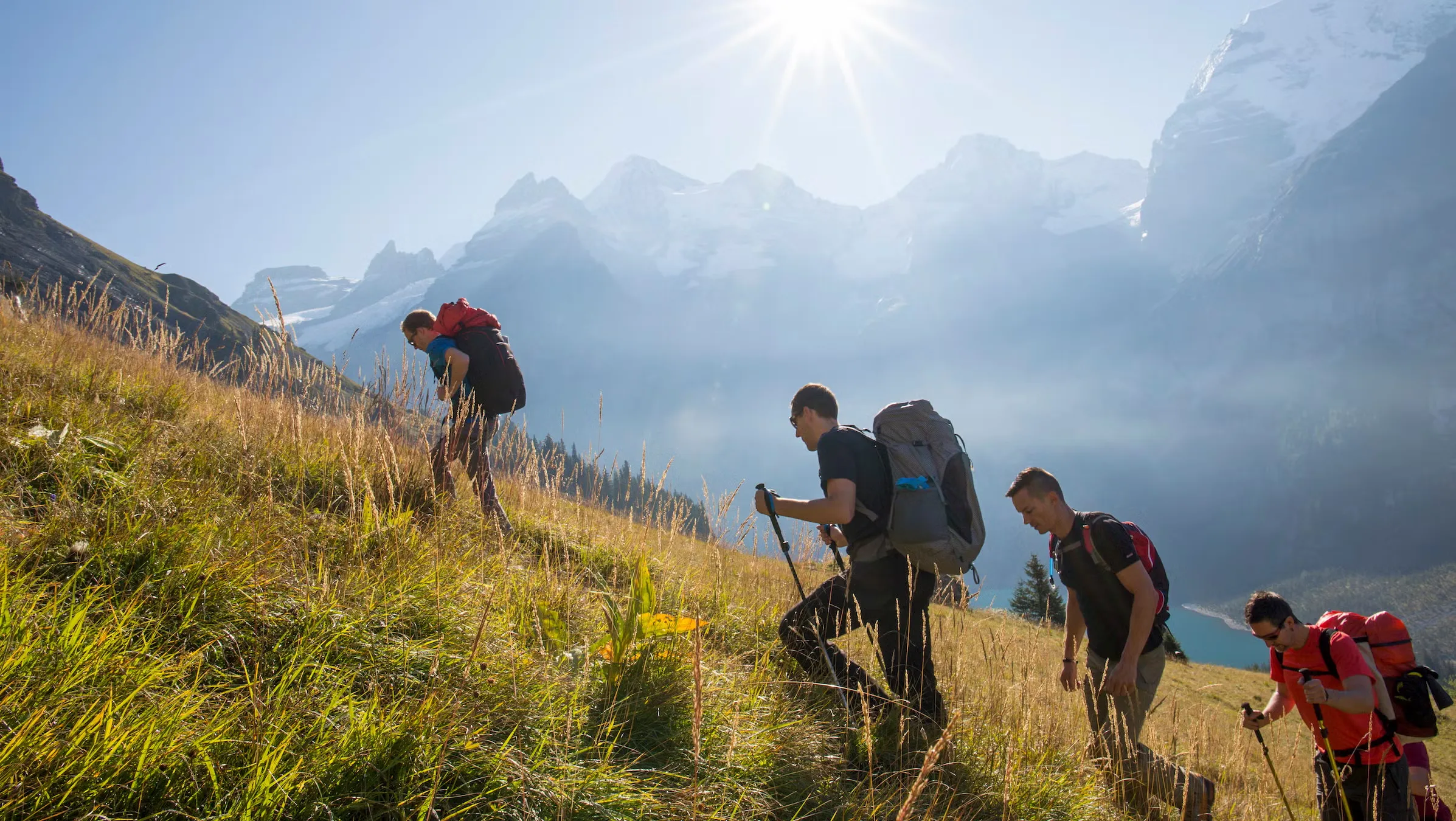
A group outing can sound simple until everyone starts sharing different expectations. One friend imagines a casual nature walk, another wants a challenging climb, and someone else has only a few hours available. Without an agreed plan, even an attractive destination can become a frustrating experience.
First-time groups benefit from practical coordination rather than an elaborate itinerary. The goal is to help everyone understand what the day involves, carry what they need, and feel comfortable speaking up. A modest route with a clear plan can be more memorable than an ambitious one.
Agree on the Experience Before the Destination
Start by asking each person how long they want to be outdoors, what terrain feels comfortable, and whether they have walked similar routes before. This conversation is more useful than choosing the most impressive photograph in a group chat. Pay attention to the least experienced participant when setting expectations.
Clarify whether the outing includes a picnic, photography stops, or a specific viewpoint. These choices change the total time needed. A shared idea of success prevents confusion later, especially when some participants prefer a steady pace and others want to pause frequently.
Select a Route With Clear Boundaries
For a first group trip, choose a well-marked route with straightforward access, manageable elevation, and an obvious return path. Avoid complicated junctions or isolated terrain if the group has limited experience. Check official route information rather than assuming a popular destination must be beginner-friendly.
When researching hiking options, compare distance, climbing, current conditions, and the availability of shorter alternatives. A loop that offers a simple exit is often a better choice than a remote route where turning back requires a lengthy return. Save the route details for everyone.
Give Everyone the Same Practical Information
Send one concise message with the meeting point, planned start time, approximate duration, expected terrain, and likely weather. Include parking instructions and any entrance fees. The more clearly people understand the plan, the less time the group spends resolving preventable problems at the trailhead.
Ask participants to confirm transportation arrangements and bring appropriate shoes, water, snacks, and any personal essentials. Avoid presenting a generic equipment list as a substitute for route-specific preparation. A short local walk and an exposed mountain route call for different decisions.
Set a Pace That Keeps the Group Together
People often walk faster at the beginning because they are excited. Starting at a comfortable pace allows everyone to warm up and gives the group time to notice uneven ground. Agree that no one should feel pressured to move faster than is safe or comfortable for them.
Plan short regrouping stops at clear landmarks, particularly near intersections. Count participants before moving on and make sure everyone knows the intended direction. If abilities vary significantly, consider a shorter route rather than splitting into separate groups without a clear agreement.
Make Room for Changes on the Day
Unexpected heat, fatigue, or a closed section can affect the schedule. Decide in advance that turning back is acceptable. It helps to identify a turnaround time and an alternate activity, such as a shorter scenic walk or lunch near the starting point, if conditions are unsuitable.
Check the latest notices from the relevant land manager before departing. Do not cross closures or enter restricted areas to preserve the original plan. A positive group experience depends more on good judgment and communication than reaching a particular landmark.
Leave the Place Ready for Others
Group visits can have an outsized impact if people spread across vegetation or leave food scraps behind. Stay on permitted paths, follow posted pet policies, and pack out trash. Respect wildlife by observing from a distance and avoiding feeding, even when animals seem accustomed to visitors.
Before leaving, check that everyone has returned safely and has transportation home. Share photos only with permission and ask what worked well for the group. Those small reflections can help you choose a more suitable destination next time without turning the outing into a formal review.
Conclusion
The most successful first group trip is one where everyone feels informed, included, and safe. A realistic route, shared expectations, and flexibility create better memories than an unnecessarily difficult challenge. TrailCircuit can help with destination discovery, but thoughtful coordination among friends is what makes the experience enjoyable from start to finish.
